Body Contouring Farmington Hills: A Local Guide to Smoother Silhouettes

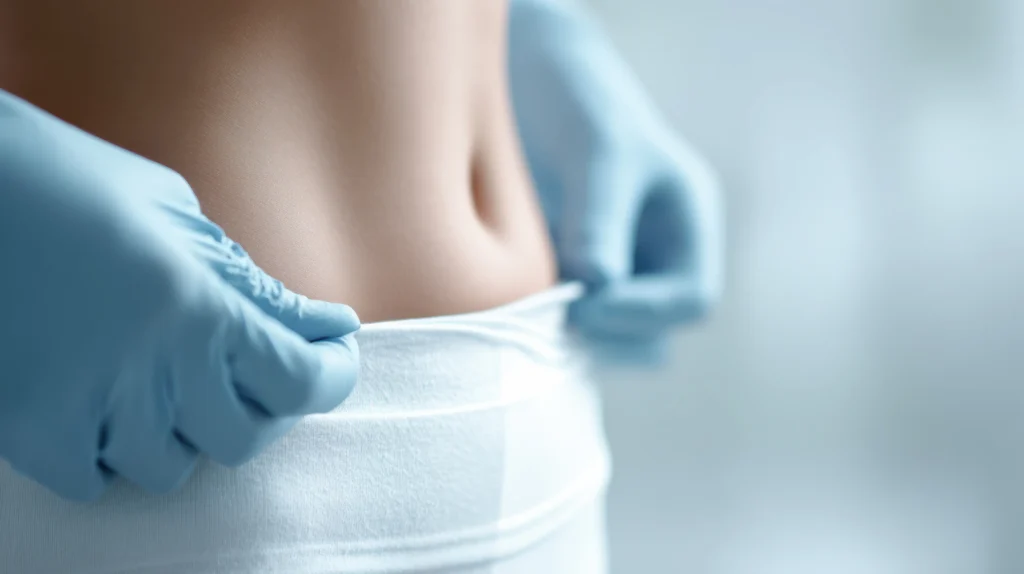
Body contouring is one of those categories that sounds simple until you sit down for a consultation and realize how many different concerns fall under the same umbrella. One person wants to soften a lower belly bulge that lingered after pregnancy. Another is close to goal weight but cannot seem to change fullness at the flanks. Someone else has lost a significant amount of weight and is less bothered by fat than by loose, crepey skin. All three may ask for the same thing, yet they need very different plans.
That is the reality of body contouring in Farmington Hills and in every well-established aesthetic market. Good outcomes rarely come from picking a treatment because it is popular. They come from matching the technology, or sometimes surgery, to the tissue in front of you: fat, skin, muscle laxity, cellulite, or some combination of all four.
Farmington Hills patients tend to be practical. They want to know what will actually change, how long it takes, how uncomfortable it is, and whether the result will look natural in everyday clothing, not just in polished before-and-after photos. Those are the right questions. Body contouring can be satisfying and confidence-boosting, but it has limits, trade-offs, and a recovery curve that should be understood before anyone commits.
What body contouring really means
The phrase covers a wide range of treatments designed to improve shape and definition rather than produce major weight loss. That distinction matters. If someone is hoping to drop thirty pounds, body contouring is the wrong first step. If someone is already living a healthy lifestyle and wants to address stubborn areas that do not respond the way they expected, that is where contouring becomes relevant.
In most practices, body contouring falls into two broad categories. The first is non-surgical treatment, which may use controlled cooling, heat, radiofrequency, ultrasound, electromagnetic muscle stimulation, or injectable agents in very specific situations. The second is surgical contouring, including liposuction or skin removal procedures, which can create more dramatic change but involve more recovery and greater cost.
A lot of confusion comes from before-and-after marketing. Photos often group all contouring together, even though the patient with a smooth, flat lower abdomen after skin excision had a completely different procedure from the patient who had modest waist refinement with a non-invasive device. From a patient perspective, both are “body contouring.” From a clinical perspective, they are not interchangeable.
Why Farmington Hills patients often seek treatment
Farmington Hills has a mix of busy professionals, parents juggling packed schedules, active adults trying to maintain results after weight loss, and people who simply want their clothes to fit better. That local rhythm shapes what people ask for. They are often looking for treatments that fit around work, school pickup, social commitments, and exercise routines. Downtime matters. Predictability matters even more.
The most common treatment areas tend to be familiar ones: abdomen, flanks, inner and outer thighs, upper arms, under-chin fullness, and the area around the bra line. Men often focus on the waist or chest contour. Women may mention the lower abdomen, “muffin top,” or thigh friction in addition to aesthetics. Some patients are less concerned about a swimsuit and more concerned about how a blazer, sheath dress, or fitted scrubs sit through the day.
Seasonality also plays a role, though not always in the way people assume. There is usually a wave of interest in late winter and early spring, when warmer weather starts to feel close. But many experienced providers will tell you fall and early winter can be smarter times to start, especially for treatments that require several sessions or gradual collagen remodeling. The body does not care about the calendar, but your timeline should.
The first question a good provider asks
A thoughtful consultation usually begins with a deceptively simple point: what exactly bothers you? Not “what treatment do you want,” but “what do you see when you look in the mirror or get dressed?”
That question separates the best consultations from the most transactional ones. Patients often describe a “fat pocket” when the main issue is skin laxity. Others feel they have loose skin when the tissue is actually a moderate layer of pinchable fat with reasonably good skin tone. Cellulite is another frequent source of https://www.google.com/maps?cid=15618896523686751270 mismatch. It has a distinct structural cause and may not respond much to treatments aimed only at reducing volume.
I have seen more disappointment come from misidentifying the problem than from the treatment itself. A patient may technically respond to a device, but if the chosen device was designed to shrink fat and the patient was bothered most by skin looseness, the result can feel underwhelming even when the treatment worked as intended.
Non-surgical options and what they do well
The appeal of non-surgical body contouring is obvious. There is little to no downtime, treatment sessions are usually office-based, and people can often return to normal activity quickly. For the right candidate, this category can deliver visible, worthwhile improvement.
Fat reduction devices are generally best for localized areas of excess fat in patients who are near a stable, realistic weight. Some use cold exposure, some use heat, and some rely on ultrasound or other energy sources to damage fat cells so the body can clear them gradually over time. The key word is gradually. Changes usually unfold over weeks to a few months, not overnight.
Skin tightening treatments often use radiofrequency or similar energy to stimulate collagen remodeling. These can help mild to moderate laxity, especially in patients whose skin still has some natural rebound. A forty-year-old with slight looseness after weight fluctuation is a very different candidate from someone with significant post-weight-loss hanging skin. That second patient may spend a great deal on “tightening” and still need surgery for a meaningful change.
Muscle-focused devices have also become popular. They create powerful contractions intended to strengthen and tone targeted muscles. In some cases, they can complement fat reduction by improving underlying definition. They are not a replacement for exercise, and they do not solve loose skin, but the right person can notice firmer contour and better shape.
The best non-surgical candidates usually share a few traits. Their concern is moderate rather than severe, their weight is fairly stable, and they can accept improvement rather than perfection. Patients who understand that distinction tend to be much happier.
When surgery makes more sense
There is no prize for avoiding surgery if surgery is what the body actually needs. This is especially true after major weight loss, after pregnancies that significantly changed the abdominal wall, or when skin laxity has crossed the line from mild to substantial.
Liposuction remains a powerful contouring tool because it physically removes fat rather than waiting for the body to process damaged cells over time. It can sculpt with more precision and more visible change than most non-surgical methods. But liposuction does not tighten poor-quality skin nearly as much as many people hope. If skin is loose enough, removing fat alone can sometimes make the area look emptier rather than tighter.
That is why some people ultimately need a procedure like abdominoplasty, arm lift, or thigh lift. These operations address excess skin directly and, in the case of a tummy tuck, may also repair separated abdominal muscles. The trade-off is obvious: scars, longer recovery, and a higher-stakes decision. Still, for the right patient, surgery can be the only route to the silhouette they have in mind.
A candid provider in the Farmington Hills area should be willing to say, “You are not a good candidate for a device,” when that is true. It may not be the easiest sales conversation, but it is often the most ethical one.
Realistic expectations make or break the experience
One of the healthiest mindset shifts is moving from “How much can this treatment do?” to “What level of change would make me feel it was worth it?” That sounds subtle, but it changes the conversation.
Some patients would be thrilled with a 20 percent improvement if it means their pants fit better and they feel less self-conscious. Others are paying close attention to every contour line and will not be satisfied unless the improvement is dramatic. Neither response is wrong, but it affects which treatment category is sensible.
Non-surgical body contouring typically lives in the lane of modest to moderate change. That can be enough to matter in daily life. A smoother waist under knitwear, less fullness above the waistband, or improved shape in fitted athletic clothes may be exactly what someone wanted. Trouble starts when a modest-change treatment is purchased with surgery-level expectations.
This is especially relevant when people search for Body Contouring Farmington Hills and compare every option side by side. The most useful comparison is not which treatment sounds most advanced. It is which treatment best matches the amount of change you expect.
How consultations should feel
A strong consultation is rarely rushed. There should be direct examination of the area, discussion of your medical history, and a frank explanation of what the provider believes is possible. You should hear not just the upside, but also the limitations.
Here are a few questions worth asking during a body contouring consultation:
- What exactly are you treating in my case, fat, skin laxity, muscle tone, cellulite, or more than one issue?
- How many sessions do patients like me typically need before results are visible?
- What percentage of improvement is realistic for my starting point?
- If this were your body, would you choose non-surgical treatment or surgery?
- What happens if I gain or lose weight after treatment?
Those questions tend to cut through vague marketing and get to the practical heart of the decision. A provider who answers plainly is often a safer bet than one who promises sweeping transformation.
The local provider landscape matters
Not every office that offers body contouring approaches it with the same depth. In and around Farmington Hills, you will find a wide range of settings, from med spas to dermatology practices to plastic surgery offices. That variety can be a strength, but it also means consumers need to pay attention.
If the issue is straightforward and mild, a reputable medical spa with experienced staff and proper oversight may be appropriate. If the concern involves major skin laxity, complex post-weight-loss changes, or uncertainty about whether surgery is needed, a board-certified plastic surgeon’s evaluation can be especially valuable. Even if you ultimately choose a non-surgical route, you will have heard the full spectrum of options.
There is also a practical local factor that people often underestimate: follow-up. A treatment plan is easier to stay on track with when the office is convenient to reach from home or work. That may sound minor, but for a series-based treatment requiring multiple visits over several weeks, convenience affects compliance. Compliance affects outcome.
The timeline most people underestimate
A common mistake is starting too late for a life event. Weddings, vacations, reunions, and milestone birthdays create urgency, but body contouring rarely rewards last-minute planning.
Non-surgical fat reduction often takes several weeks before visible change emerges and longer before final results settle in. Skin tightening may evolve over months as collagen remodeling takes place. Even surgical options, though more immediate in their effect, come with swelling and recovery time that can make early results look uneven or incomplete.
If someone wants to look their best by summer, an evaluation in winter or early spring is usually more comfortable than a scramble in May. If a wedding is on the calendar, six months of planning is often better than six weeks. The body moves at its own pace, and swelling, inflammation, and tissue remodeling cannot be rushed by wishful thinking.
Comfort, downtime, and what recovery actually feels like
Patients often ask whether body contouring hurts. The honest answer is that discomfort varies widely by technique and by individual tolerance. Some non-invasive sessions feel cold, hot, tight, or intensely contractive but remain manageable. Others leave temporary tenderness, numbness, tingling, or soreness that lasts a few days. Most people can work afterward, but “no downtime” does not always mean “no sensation.”
Surgical recovery is another category entirely. Even when pain is well controlled, there may be swelling, drainage, compression garments, activity restrictions, and a period where the body simply feels unlike itself. Patients who have been through surgery often say the recovery was manageable, but only because they planned for it. Childcare, lifting restrictions, driving, exercise, and work demands all need to be discussed ahead of time.
That planning piece is particularly important for busy households in Farmington Hills where both adults work or where routines are packed with sports, commuting, and school obligations. Recovery goes more smoothly when the logistics are treated as seriously as the procedure.
Cost is part of the clinical decision
Price matters, and it should. Body contouring is often elective, so patients are weighing value, not just possibility. But focusing only on the cheapest advertised package can backfire if it leads to the wrong treatment or too few sessions.
A single low-cost treatment that cannot realistically address the concern is more expensive in the long run than a properly designed plan. The same applies when a patient spends months trying multiple mild non-surgical approaches and eventually lands on the surgery they likely needed from the start.
Costs in this field vary based on the area treated, the device or procedure used, the number of sessions, and the experience level of the provider. Rather than shopping by price alone, it is smarter to ask what outcome the quoted plan is expected to deliver. Two offices may sound far apart in cost while proposing entirely different levels of change.
Maintenance is less glamorous than treatment, but just as important
Body contouring can refine shape, but it does not freeze the body in time. Weight gain can blunt results. Natural aging can reduce skin firmness. Hormonal shifts, pregnancy, and major lifestyle changes can alter contour again.
That does not mean treatment is temporary in a meaningless way. Fat cells removed or reduced do not simply rebound overnight. It means the body remains dynamic. Patients who maintain a stable weight, keep active, and support skin health with good habits usually preserve their results better than those who treat contouring as a reset button.
This is often where the best outcomes happen quietly. Not in dramatic social media reveals, but in the person who feels more comfortable in tailored trousers a year later because they kept the same general weight and stayed consistent. The treatment opened the door, but maintenance carried the result.
A smart way to think about candidacy
If you are considering Body Contouring Farmington Hills options, start by sorting yourself into the right question, not the right brand. Are you dealing with stubborn fat, loose skin, weak muscle tone, cellulite, or a mix? Is your weight stable? Do you want modest improvement or major change? Are you trying to avoid downtime at all costs, or are you open to more recovery if the result is stronger?
Patients who do that homework tend to have more productive consultations and fewer regrets. They are less vulnerable to shiny marketing and more able to judge whether a proposed plan actually fits their body and goals.
There is also value in patience. I have seen people rush into treatment because they were frustrated with one body area, only to realize later that their weight was still fluctuating or their expectations were not settled. Waiting a few months to stabilize your routine can make you a much better candidate and can improve the durability of the result.
The best result is not always the most dramatic one
There is a tendency to equate success with the biggest visible transformation. In real life, the best outcome is often the one that looks proportionate, believable, and in harmony with the rest of the body. A smoother silhouette under clothing, a cleaner waistline, a firmer lower abdomen, or less friction at the thighs may sound modest on paper, yet feel significant in everyday life.
That is the sweet spot many people are after, especially in communities like Farmington Hills where aesthetics often lean polished and natural rather than exaggerated. The goal is not to look treated. It is to look like yourself, only more comfortable in your own shape.
Body contouring can absolutely play a role in that. The key is resisting one-size-fits-all thinking. The right plan depends on tissue type, anatomy, schedule, budget, tolerance for downtime, and how much change would genuinely make you happy. When those pieces line up, smoother silhouettes are not just possible, they are realistic.
Aesthetic Plastic Surgery & Laser Center, Michelle Hardaway M.D.
Address: 27920 Orchard Lake Rd, Farmington Hills, MI 48334
Phone number: +12482211957
FAQ About Body Contouring Farmington Hills
What does body contouring actually do?
Body contouring (or body sculpting) eliminates stubborn localized fat, tightens loose, sagging skin, and reshapes your silhouette. It is not a weight-loss tool, but rather a cosmetic procedure used to refine and tone specific trouble spots after major weight loss, pregnancy, or aging.
How much does body contouring usually cost?
The total cost of body contouring usually ranges from $2,000 to $25,000+ depending entirely on whether you choose non-surgical sessions or major surgical procedures.
Because "body contouring" covers everything from simple fat-freezing to comprehensive post-weight-loss surgeries, pricing is heavily categorized by the method used.
What is the best type of body contouring?
Liposuction is a huge topic and worth discussing in more detail, but in terms of body contouring and sculpting, nothing does the job better than liposuction, particularly VASER liposuction.