Cryotherapy for Stress Relief: Can Cold Therapy Calm the Mind?

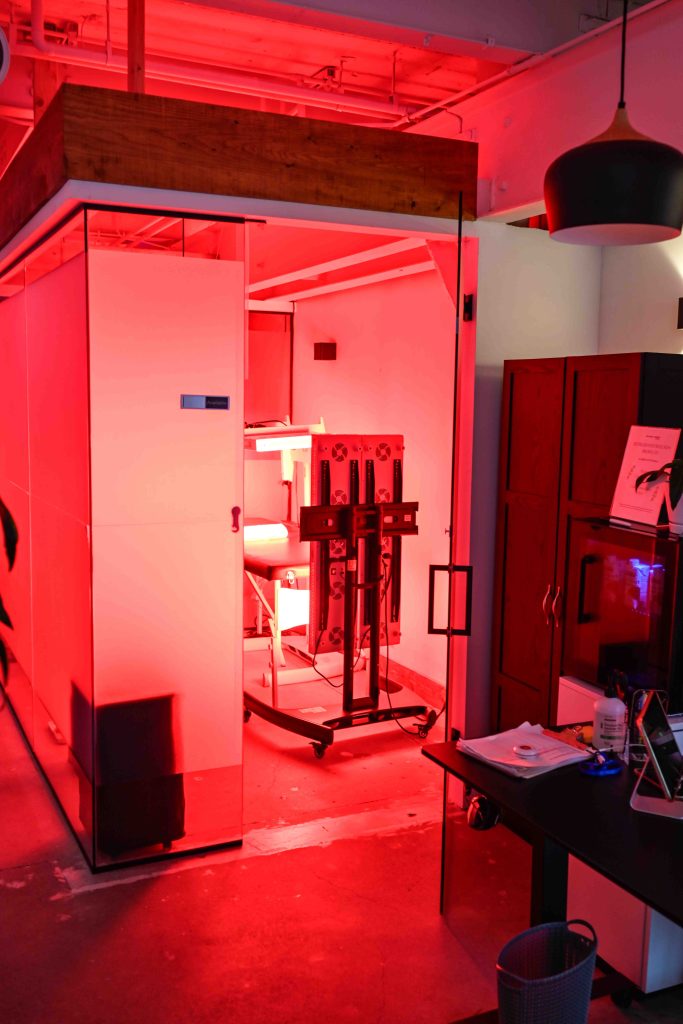
Stress has a way of making the body feel overheated, overclocked, and cornered. People describe it as buzzing under the skin, a racing chest, a jaw that never fully unclenches. Against that background, the appeal of cold is easy to understand. A plunge into icy water, a blast of subzero air in a cryotherapy chamber, even a cold shower at the end of a hard day can feel like a hard reset. The question is whether that sensation reflects a real shift in stress physiology, or whether it is mostly a fleeting jolt dressed up as wellness.
The short answer is that cold therapy can help some people feel calmer, clearer, and more resilient to stress. It does not work the same way for everyone, and it is not a stand-alone treatment for chronic anxiety, burnout, or trauma-related symptoms. Still, there are plausible biological reasons it may help, and there is enough emerging evidence, plus a great deal of practical experience from athletes, clinicians, and regular users, to take the idea seriously without overselling it.
What matters most is context. Cold can soothe, but it can also provoke. Used well, cryotherapy may train the nervous system to tolerate a controlled stressor and recover more efficiently. Used poorly, it can become another thing to endure, track, optimize, and worry about. Stress relief does not come from cold https://www.google.com/maps?cid=5486411973413264654 alone. It comes from the way the body responds to cold, and from how intelligently the practice is used.
Why cold feels mentally clarifying
Most people notice two things immediately when they step into intense cold. First, the body protests. Breathing gets sharp and shallow, muscles tense, thoughts narrow to a single point. Then, if they stay calm and ride it out, a second phase often arrives. Breathing steadies. The panic signal drops. Afterward, many report a surprising sense of lightness, alertness, and mental quiet.
That pattern is not mystical. It reflects a rapid shift in the autonomic nervous system. Cold exposure initially activates the sympathetic branch, the system associated with fight, flight, and mobilization. Heart rate can jump. Blood vessels near the skin constrict. The body gets serious about preserving heat. If the exposure is brief and controlled, the system often rebounds with a strong parasympathetic response afterward, the side linked to recovery, digestion, and a calmer baseline.
This rebound may be part of why some people feel less psychologically cluttered after cryotherapy. There is also evidence that cold exposure influences neurotransmitters and hormones involved in attention, mood, and energy. Norepinephrine tends to rise, which can sharpen focus. Endorphins may increase as well, which can shift the subjective experience of discomfort and create a post-session lift. Some people describe this as euphoria. More often it is subtler than that, less a high than a sense that the noise in the system has turned down.
In practice, that calming effect is often strongest in people whose stress presents as agitation, rumination, or physical restlessness. Someone finishing a draining workday, still mentally spinning, may step out of a cold session with a quieter head and more settled breathing. Someone already exhausted, depleted, or highly sensitive to bodily discomfort may feel the opposite. Cold does not simply relax the body the way a warm bath might. It challenges the body first, then may improve recovery.
Stress relief through hormesis, not comfort
One of the more useful ways to understand cryotherapy is through hormesis. This is the idea that a small, manageable stressor can trigger adaptive responses that make the organism more robust over time. Exercise works this way. So does heat exposure. Cold belongs in the same family.
The key phrase is manageable stressor. A moderate cold challenge teaches the body that it can encounter discomfort without losing control. That lesson is physical, but also psychological. People who practice deliberate cold exposure often talk about improved emotional steadiness under pressure. Part of that may come from the discipline of breathing through the first shock and staying present instead of escalating.
This is where the conversation gets interesting. Cold therapy for stress relief is not only about what happens during the session. It may also change the person’s relationship to stress outside the session. If you repeatedly experience a surge of alarm, then recover without harm, your nervous system may become less likely to interpret every challenge as a crisis. That does not mean cold exposure cures stress. It means it may strengthen stress tolerance in the same way that progressive exercise strengthens physical capacity.
That said, hormesis has a dose problem. Too little does nothing. Too much overwhelms. A sixty-second cool rinse at the end of a shower may be invigorating and sustainable. A dramatic social-media-worthy ice plunge that leaves someone shivering for an hour, dreading the next attempt, is less likely to support mental well-being. More is not always better. Better is better.
What the evidence actually suggests
Research on cryotherapy and mental health is promising but still incomplete. It helps to separate different forms of cold exposure because they are often discussed as if they are interchangeable, and they are not. Whole-body cryotherapy usually means standing in a chamber cooled to extremely low temperatures for two to four minutes. Cold water immersion typically involves tubs, plunges, or natural water. Cold showers are the most accessible version. These methods overlap in broad effect but differ in intensity, thermal transfer, cost, and practicality.
A modest body of research suggests that cold exposure can improve mood, increase alertness, and reduce feelings of fatigue in some populations. Studies on whole-body cryotherapy have found benefits related to recovery, pain perception, and well-being, especially in athletes and people with inflammatory or pain-related conditions. Some small studies and case reports have also suggested mood benefits, including reduced depressive symptoms when cryotherapy is added to standard care. That is worth noting, but it is not the same as proving cryotherapy is a primary treatment for depression or anxiety.
Cold water immersion has a somewhat broader practical evidence base because more people do it, and it is easier to study outside specialized clinics. Regular cold water swimmers often report reduced stress, better mood, and greater resilience. There are plausible physiological explanations for this, but self-selection matters. People who continue cold swimming tend to be people who tolerate or enjoy it. That can make the practice look universally helpful when it is not.
There is also an uncomfortable but important gap between short-term relief and long-term change. A single session can make someone feel better today. That does not automatically translate to lower chronic stress next month. Sustained benefit likely depends on consistency, dose, overall lifestyle, sleep quality, baseline health, and whether the practice is integrated into a broader stress-management strategy.
From a clinical perspective, the fairest summary is this: cryotherapy may reduce perceived stress and improve mood in the short term for many people, and it may improve stress resilience over time for some people. The strength of evidence is encouraging but not definitive. It is a tool, not a miracle.
Whole-body cryotherapy versus cold water
The word cryotherapy often brings to mind sleek wellness centers, nitrogen-cooled chambers, and short sessions in gloves and socks while music plays in the background. That form of cryotherapy can feel efficient and dramatic. It also tends to be expensive, which raises a practical question. Does it offer a clear mental health advantage over simpler forms of cold exposure?
Not always.
Whole-body cryotherapy exposes the skin to extremely cold air, often well below minus 100 degrees Celsius in some systems, but only for a few minutes. Because air transfers heat less efficiently than water, the experience can be intense without cooling the body’s core as rapidly as an ice bath. Many users find it more tolerable than full immersion. They come out energized, slightly stunned, often chatty. For a person who wants a brief, controlled ritual with minimal setup, it can be appealing.
Cold water immersion is a different animal. Water strips heat far more efficiently, so a tub at 10 to 15 degrees Celsius can feel brutally cold in a way a chamber does not. It also creates a strong breathing response that many people either value or hate. For stress relief, that respiratory component matters. The moment you resist the gasp reflex and regain slow control, you are practicing nervous-system regulation in real time.
From a mental-calming standpoint, I have seen people respond well to both, but for different reasons. Chamber cryotherapy often suits those who want a short burst of stimulation followed by a lift in mood and energy. Cold immersion tends to suit those who want a more immersive training effect, something closer to meditation under pressure. Cold showers sit in the middle. They are less glamorous, less intense, and far easier to sustain.
If the goal is stress relief rather than performance recovery, sustainability usually beats spectacle. A person who takes a sixty to ninety second cold rinse four mornings a week may gain more than someone who pays for an occasional chamber session, feels amazing for an hour, then never returns.
The calm after the shock, and why breathing changes everything
The first ten to thirty seconds of cold exposure tell you a lot about whether it will be helpful. If someone enters cold water and immediately spirals into panic, thrashes, or hyperventilates, that is not a therapeutic state. It is a threat state. For some, repeated exposure gradually changes that reaction. For others, it remains aversive enough that the practice does more harm than good.
Breathing is the hinge point. When people use cryotherapy or cold water successfully for stress relief, they do not grit their teeth and white-knuckle it. They focus on extending the exhale, softening the shoulders, and letting the initial alarm crest without adding mental drama. That is the skill. The cold is just the training environment.
This is why cold exposure sometimes helps people who feel trapped in a loop of chronic activation. It gives them a clean, unmistakable stressor and a chance to rehearse recovery. The feedback is immediate. Either your breath becomes your anchor, or the cold runs the show.
That said, people with panic disorder or strong interoceptive sensitivity, meaning they are highly reactive to bodily sensations like chest tightness or rapid heartbeat, may need to be careful. The sensations triggered by cold can mimic the opening minutes of panic. Some clinicians use carefully graded body-based practices with these individuals, but aggressive cold exposure is usually not the starting point. A warm pool, guided breathing, or gentler forms of nervous-system regulation may be more appropriate.
Where cryotherapy helps most, and where it disappoints
Cryotherapy tends to help when stress has a strong physical component. Tight muscles, mental fog, post-workout irritability, poor recovery, and that wired-but-tired feeling often respond well. Athletes have noticed this for years, sometimes less because the cold erases psychological stress directly and more because it reduces soreness and inflammation enough to improve sleep and overall mood. When the body feels less battered, the mind often follows.
It may also help people who like clear rituals. Stress management fails for many adults because the tools are vague or easy to postpone. “Try to relax” is not a method. A specific two-minute cold shower after training, or a brief cryotherapy appointment every Tuesday and Friday, has edges and structure. Some personalities benefit from that.
Where it disappoints is just as important. Cryotherapy is weak medicine for stress driven mainly by unresolved life circumstances. If someone is overwhelmed by debt, caregiving strain, grief, workplace harassment, or untreated insomnia, cold exposure may provide a temporary reset but will not alter the cause. It can become a sophisticated form of avoidance, a way to manage the symptoms of a life that still needs restructuring.
It also tends to disappoint people who expect the session itself to feel soothing. Most cold exposure is not pleasant in the ordinary sense. The benefit, when it occurs, often arrives later. Warmth returns. Breathing normalizes. Mental static fades. If someone wants immediate sensory comfort, heat is usually a better first choice.
Practical ways to try it without overdoing it
For stress relief, the best starting point is rarely the most extreme one. People do better when they begin with an approach they can repeat without dread. Cold showers work well because they are available, free, and easy to scale. A common pattern is to finish a normal warm shower with thirty seconds of cool water, then gradually lengthen or lower the temperature over time. The goal is not to prove toughness. The goal is to stay calm enough that the nervous system learns something useful.
A simple first approach looks like this:
- End a regular shower with 30 to 60 seconds of cool, not painfully cold, water.
- Keep the face relaxed and slow the exhale as the water hits.
- Stop before you lose control of your breathing.
- Warm up naturally afterward with movement and regular clothing.
- Repeat several times a week before deciding whether it helps.
For those drawn to cold plunges, water temperature, duration, and supervision matter. Beginners do not need near-freezing water. In many cases, a tub in the low teens Celsius is plenty. One to two minutes can be enough to produce a meaningful effect. More experienced users may stay longer, but duration should never become a contest. The body pays for ego.
Whole-body cryotherapy sessions should be done with reputable providers who screen for contraindications and explain what normal versus unsafe reactions look like. Users should remove damp clothing, protect extremities as instructed, and speak up if they feel lightheaded, numb in a concerning way, or suddenly unwell.
Who should think twice
Cryotherapy has a polished image, but it is still a physiological stressor. That means there are people for whom it is a poor fit or an outright risk. Cardiovascular disease, uncontrolled high blood pressure, Raynaud’s phenomenon, peripheral vascular problems, cold urticaria, certain respiratory conditions, some nerve disorders, and pregnancy are among the situations where extra caution or medical advice is appropriate. A history of fainting with cold exposure also matters.
There is also a psychological caution that gets less attention. If a person is already using extreme discipline, punishment, or body-focused routines as a way to cope, cold exposure can slip into that pattern. I have seen people turn restorative practices into tests of worth. They stay longer than necessary, chase intensity, and feel guilty when they skip a session. At that point, the practice is feeding stress, not relieving it.
A healthier frame is to treat cryotherapy as one lever among many. It can sharpen your state. It should not become your identity.
The role of expectation, ritual, and environment
Not all benefit comes from temperature alone. The setting matters. So does expectation.
A person who books a cryotherapy session at a clean, quiet clinic, steps away from email for half an hour, chats briefly with a provider, then walks out feeling refreshed is getting more than cold. They are getting a ritual break in the day, a shift in environment, and a strong placebo-compatible context. That should not be dismissed. Placebo is not fake. It is part of how embodied treatments work. The question is whether the result is reliable enough to justify the time and cost.
Home practices have their own advantages. A cold shower strips away some of the theater and asks a cleaner question. Do you actually feel calmer, clearer, or more resilient afterward? If yes, excellent. If not, you have learned something without spending much.
This is one reason diaries can be helpful in the first month. Not elaborate tracking, just brief notes on sleep, mood, energy, and perceived stress. Many people assume a practice is helping because it feels intense. Intensity and efficacy are not the same thing.
Pairing cold with other stress-management tools
Cryotherapy works best when it supports, rather than replaces, the basics. Stress physiology is stubbornly tied to sleep, blood sugar stability, movement, social connection, and workload. Cold exposure cannot compensate for chronic sleep restriction any more than stretching can compensate for a fractured schedule. It can, however, fit intelligently into a larger plan.
Some of the strongest real-world results come when cold exposure is paired with other regulating habits:
- A brief cold shower after exercise, when the body is already primed for a recovery shift.
- Slow nasal breathing during the session to reinforce control over the stress response.
- Morning use for people who feel groggy and mentally crowded on waking.
- Avoiding intense cold late at night if it feels too stimulating.
- Using it as a reset after acute stress, not as an all-day crutch.
There are trade-offs here too. Athletes sometimes use cold immediately after training for soreness, though there is debate about whether frequent post-exercise cold may blunt some training adaptations in certain contexts. For a person whose main problem is stress and poor recovery, that trade-off may be worth it. For someone pursuing maximal strength or hypertrophy, timing matters more. The point is that cryotherapy does not happen in a vacuum. Its value depends on the goal.
So, can cold therapy calm the mind?
Yes, for many people it can, but usually in an indirect and disciplined way. Cryotherapy does not pour calm into the brain like a sedative. It creates a brief, controlled confrontation with stress, then invites the body to recover efficiently. That sequence can produce real mental relief. It can sharpen attention, reduce perceived stress, and leave some people feeling steadier for hours afterward. Over time, it may build a more confident relationship with discomfort.
The strongest candidates are people who respond well to body-based practices, tolerate cold reasonably well, and want a concrete ritual that interrupts rumination. The weakest candidates are those expecting comfort without challenge, those with health conditions that make cold risky, and those using it to paper over larger problems that need direct attention.
If you are curious, start small. Keep the practice boring enough to sustain. Notice not only how you feel in the minute after, but how you sleep, how you handle the next frustration, and whether your baseline changes across a few weeks. That is where cryotherapy earns its place, or does not.
Cold has always had a strange authority over the human nervous system. It can shock, humble, and focus us. Under the right conditions, it can also calm us. Not because it is gentle, but because it teaches the body that stress can rise, crest, and pass without taking the whole mind with it.
SDBody Mission Hills
Address: 1747 Hancock St Ste C, San Diego, CA 92101
Phone number: +16197720252
FAQ About Cryotherapy
What does cryotherapy do for your body?
Cryotherapy exposes the body to extremely cold temperatures for a few minutes to trigger natural healing and recovery responses.
What are the negatives of cryotherapy?
The primary negatives of cryotherapy include skin burns, frostbite, temporary nerve irritation, and temporary spikes in blood pressure caused by extreme cold.
How much does cryotherapy typically cost?
A single session of non-medical cryotherapy typically costs between $40 and $100. However, prices vary significantly depending on the specific type of treatment, your location, and whether you purchase a membership or package.